
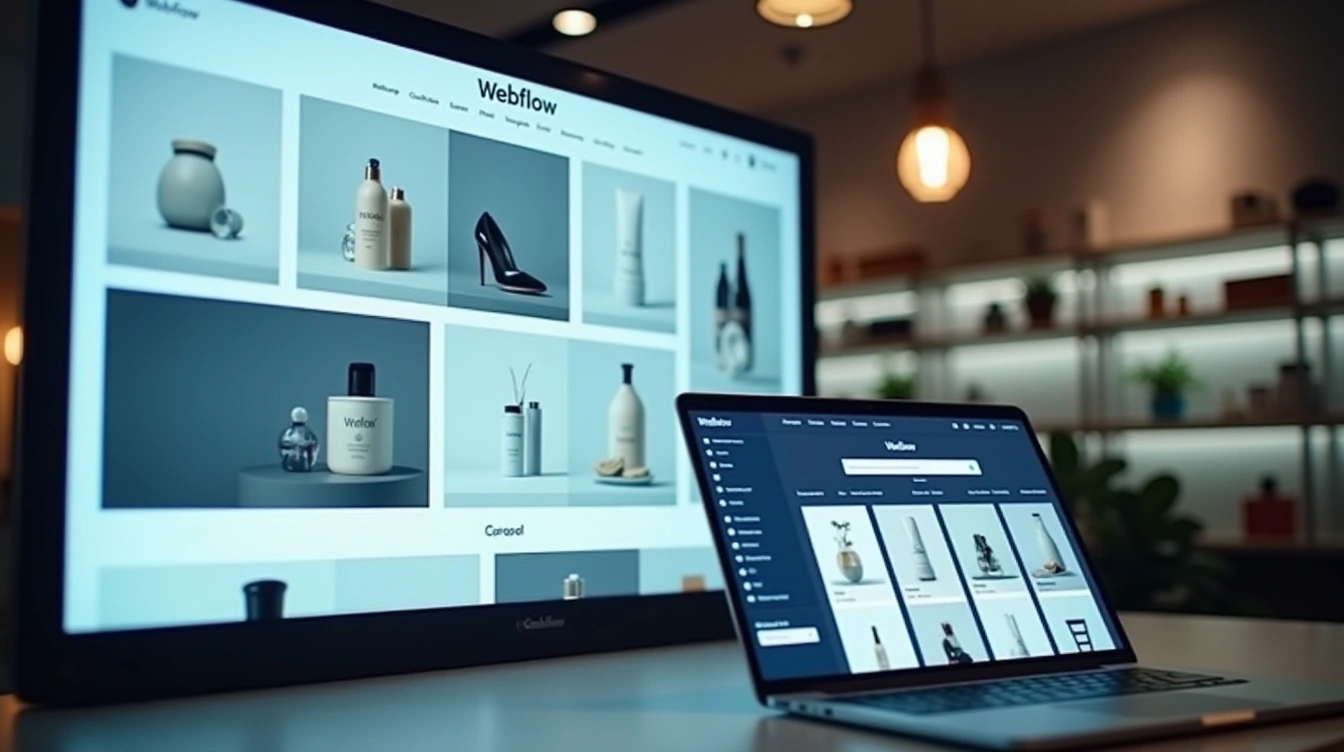
Building an Online Store with Webflow’s Ecommerce Platform
Why struggle with limited templates when you can build something truly unique? With ecommerce sales expected to reach $8.1 trillion globally by 2026 according to Statista, having a distinctive online presence matters more than ever. The flexible platform for launching a custom online store empowers businesses to create fully customized shopping experiences without coding constraints, offering complete design freedom alongside powerful commerce functionality.
Why Choose This Visual Builder for Your Digital Commerce
Traditional ecommerce platforms often force you into rigid templates that make every store look the same. Webflow breaks this mold by offering a visual-first approach that puts creative control directly in your hands. Unlike conventional solutions, this platform combines the flexibility of custom coding with an intuitive drag-and-drop interface.
Have you seen this : How is the UK tackling the digital divide in internet access?
The key difference lies in Webflow’s ability to generate clean, semantic code while you design visually. You’re not limited by predetermined themes or constrained by platform restrictions. Every element can be customized down to the pixel, allowing you to create truly unique shopping experiences that reflect your brand’s personality.
What sets this platform apart is its responsive design capabilities and advanced interactions. You can build sophisticated animations, micro-interactions, and custom layouts that would typically require extensive development resources. This means faster time-to-market without compromising on design quality or functionality.
Topic to read : How Has Artificial Intelligence Transformed the Way We Interact with the Internet?
For businesses seeking differentiation in crowded markets, Webflow provides the technical foundation to stand out while maintaining the performance and reliability essential for successful online commerce.
Essential Features That Power Your Custom Store
Webflow ecommerce combines powerful functionality with complete design freedom. Every feature works seamlessly together to create stores that perform as beautifully as they look.
The platform’s integrated CMS lets you manage products, collections, and content from one dashboard. You can organize inventory, set up variants, and update pricing without touching code. The visual product management system makes complex catalogs feel surprisingly simple.
- Custom checkout flows that match your brand exactly, removing the generic feel of standard templates
- Advanced payment integrations with Stripe, PayPal, and Apple Pay for seamless transactions
- Built-in SEO tools that optimize product pages, meta descriptions, and structured data automatically
- Responsive design that adapts perfectly to every device without additional coding
- Marketing automation including abandoned cart recovery, discount codes, and email integrations
- Real-time inventory tracking with automatic stock updates and low-stock alerts
These features work together to create stores that convert better because they feel authentically yours. When customers experience a checkout process that matches your brand’s personality, trust increases naturally.
Step-by-Step Process to Launch Your Unique Storefront
Creating a successful online store requires a strategic approach that balances technical excellence with user experience. The process begins with thorough market research and competitor analysis to identify your unique positioning. This foundation shapes every subsequent decision, from visual design to product categorization.
The design phase focuses on creating a distinctive brand identity that resonates with your target audience. Custom layouts, color schemes, and typography work together to establish credibility and trust. Meanwhile, product configuration involves organizing inventory, setting up detailed descriptions, and implementing effective search and filtering systems that guide customers naturally through their buying journey.
Payment integration and security setup form the technical backbone of your store. Testing every transaction scenario ensures smooth operations from day one. The pre-launch phase includes comprehensive testing across devices, speed optimization, and staff training on order management processes.
Finally, the launch strategy combines soft opening with targeted marketing efforts. Monitoring analytics from the first week provides valuable insights for immediate optimizations. This methodical approach ensures your storefront not only launches successfully but also adapts quickly to real customer behavior and market feedback.
Design Flexibility That Sets You Apart
True design freedom begins where templates end. With Webflow’s visual development environment, you can craft completely unique digital experiences that reflect your brand’s personality without the constraints of pre-built themes or rigid frameworks.
Custom CSS animations bring your interface to life with smooth transitions and engaging micro-interactions that guide users naturally through your content. Advanced layout systems let you break free from standard grid patterns, creating asymmetrical compositions and dynamic responsive behaviors that adapt intelligently across all devices.
Typography becomes a powerful branding tool when you’re not limited to web-safe fonts or basic styling options. Import custom typefaces, control letter spacing with precision, and create hierarchical systems that enhance readability while reinforcing your visual identity.
Interactive elements can be tailored to your exact specifications, from sophisticated hover effects and parallax scrolling to complex form interactions and custom navigation patterns. This level of customization ensures your website doesn’t just look different—it functions differently, creating memorable user experiences that competitors using standard solutions simply cannot match.
Performance and SEO Advantages for Better Conversions
Webflow’s technical architecture delivers exceptional performance that directly impacts your bottom line. The platform generates clean, semantic code automatically, eliminating the bloated markup that often plagues custom-built sites. This streamlined approach results in faster loading times and better search engine visibility.
The hosting infrastructure operates on a global CDN network, ensuring your online store loads quickly regardless of customer location. Combined with automatic image optimization and lazy loading, these technical advantages translate into measurably better user experiences. Studies show that even a one-second delay in page load time can reduce conversions by up to 7%.
Built-in SEO optimizations work seamlessly behind the scenes. Meta tags, structured data, and XML sitemaps generate automatically, while the clean URL structure and fast rendering speeds satisfy Google’s Core Web Vitals requirements. This technical foundation creates a competitive advantage that compound over time, driving more organic traffic and higher conversion rates for your ecommerce business.
Your Questions About Webflow Ecommerce
Building an online store with Webflow raises many questions for business owners and developers. Here are the most common concerns about this powerful ecommerce platform and their practical answers.
How much does it cost to build an ecommerce store with Webflow?
Webflow ecommerce plans start at $29/month for basic stores. Development costs vary based on customization needs, typically ranging from $3,000 to $15,000 for professional implementations.
Can I customize my online store design completely with Webflow?
Yes, Webflow offers complete design freedom. Unlike template-based platforms, you can create unique layouts, custom animations, and brand-specific experiences without coding limitations.
What payment methods does Webflow ecommerce support?
Webflow integrates with Stripe and PayPal, supporting major credit cards, digital wallets like Apple Pay, and international payment methods for global commerce.
Is Webflow good for selling digital products online?
Absolutely. Webflow handles digital downloads seamlessly, with automatic delivery systems, license key management, and secure file hosting for digital product sales.
How does Webflow compare to Shopify for building an online store?
Webflow excels in design flexibility and customization, while Shopify offers more third-party apps. Webflow suits brands prioritizing unique design and user experience.